

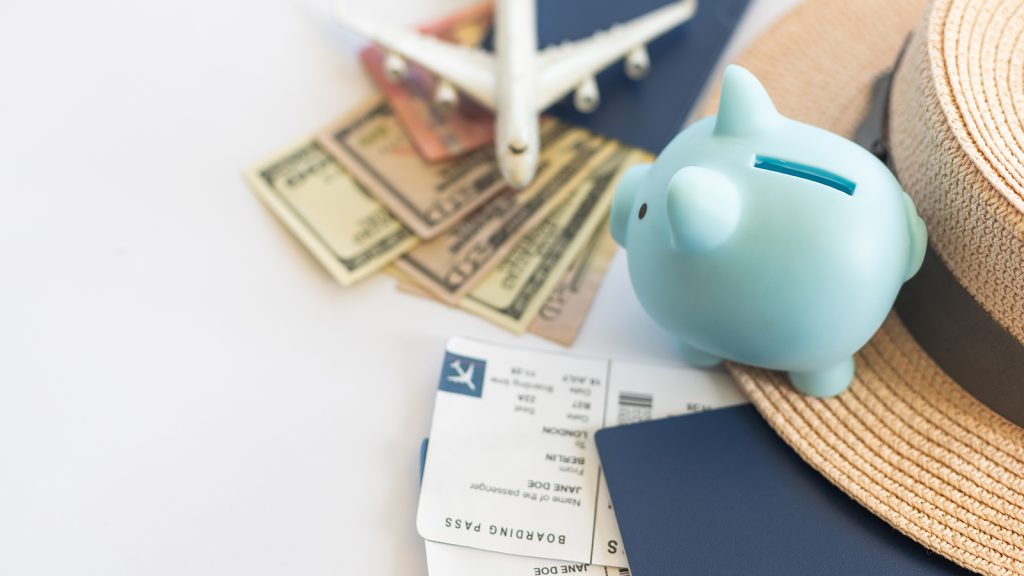
For many people, travel and leisure experiences can feel financially out of reach — especially when social media often highlights luxury vacations and expensive getaways. But financial professionals say meaningful experiences don’t always require a major splurge. In fact, some of the most sustainable travel habits begin with small, consistent saving strategies that make room for spontaneity without creating financial stress.
Small Habits Can Lead to Big Memories
One of the simplest ways to prepare for future experiences is by building small weekly savings habits into your routine. Setting aside even $10 to $25 each week specifically for travel or leisure can grow into a meaningful fund over time. Many people are surprised by how quickly small automatic transfers add up when they’re consistent. Saving just $20 a week, for example, creates more than $1,000 in a year — enough to help cover several weekend getaways, concert tickets, or multiple daytrips.
Automating those savings can make the process even easier. Scheduling recurring transfers to a separate savings account removes the temptation to spend the money elsewhere and makes saving part of your regular financial routine rather than an occasional effort.
Rethinking the “Big Vacation”
Another growing trend among financially savvy travelers is the embrace of the “micro-vacation” mindset. Instead of waiting years to afford one large, expensive trip, many people are choosing shorter, lower-cost experiences spread throughout the year.
A micro-vacation could mean a weekend road trip, a staycation near home, a camping trip, or exploring attractions in neighboring towns. These smaller experiences often require less planning, less time away from work, and significantly less money upfront. They can also feel more attainable and less financially overwhelming than trying to fund a large vacation all at once.
From a financial perspective, smaller trips can help people avoid relying heavily on credit cards or financing travel costs they may struggle to pay off later. While there’s nothing wrong with planning for a larger dream vacation, balancing those goals with smaller experiences along the way can create a healthier long-term approach to leisure spending.
The Power of a Sinking Fund
One of the most effective tools for saving toward experiences is something financial experts call a “sinking fund.” Unlike an emergency fund, which is designed for unexpected expenses, a sinking fund is money intentionally set aside for planned future spending.
Creating a travel or leisure sinking fund allows people to prepare gradually for experiences they know they’ll want later. Instead of scrambling to cover costs when opportunities arise, the money is already waiting. Some people create separate sinking funds for specific goals like concerts, family trips, holiday travel, or seasonal activities.
Keeping these funds separate from everyday checking accounts can also help reduce impulse spending and make progress easier to track. Many banks even allow customers to nickname savings accounts based on goals, making it easier to stay motivated.
Making Experiences Part of the Budget
Experiences are an important part of life, and budgeting for them intentionally can help remove guilt and financial anxiety from the equation. By building small saving habits, embracing lower-cost adventures, and creating dedicated sinking funds, people can enjoy more flexibility and freedom when opportunities for fun arise.