

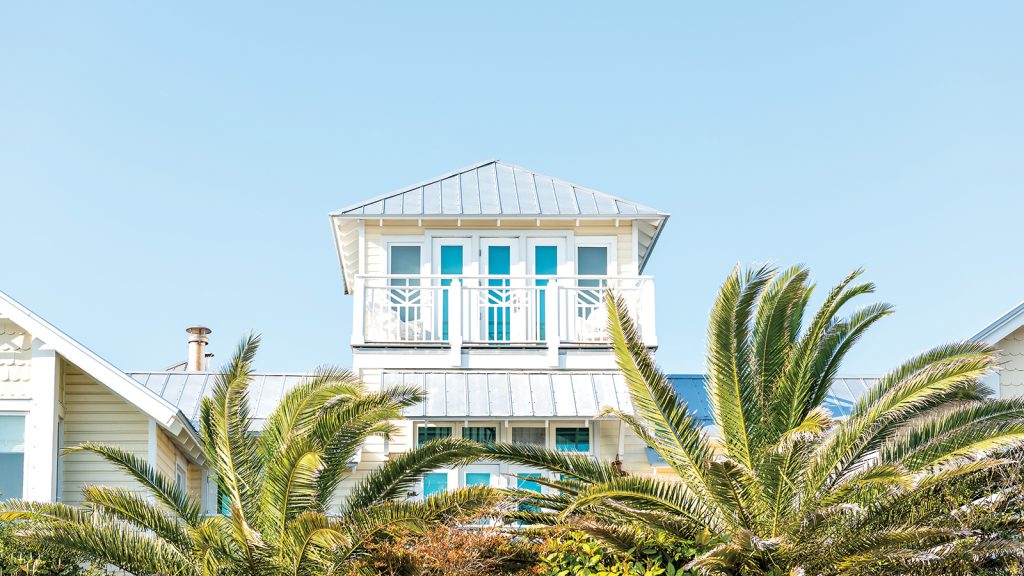
Owning a vacation home can feel like having your own personal getaway. Whether you visit occasionally, stay seasonally or plan to use it in retirement, a second property comes with insurance and security considerations that may differ from those of your primary residence. The coverage available to you depends on how the home is used, where it is located and the specific policy you purchase.
Vacancy Considerations
A key factor that can influence coverage is how often the home is occupied. Vacation homes can face the same types of risks as any other property, but when they sit empty for long periods, issues may go unnoticed and cause more extensive damage. Depending on the policy and state, certain types of losses may have limitations or conditions during extended vacancies.1 An agent can explain how vacancy provisions apply to your individual situation and what options may be available.
If you rent out your vacation home—whether occasionally or on a short term basis—your coverage needs may differ from those of a non rental property. Rental related coverage varies by insurer, policy and state, and may require additional endorsements or a different type of policy. Features such as pools or hot tubs may also affect eligibility or require additional review. An agent can help you understand what coverage may be available based on how the property is used.
Location Matters
The type and location of your vacation home play a major role in determining the coverage you may need. For example, condos often include some level of protection through a homeowners association (HOA) but the scope of that coverage can vary widely. Reviewing the HOA documents can help you understand what is and is not included, and where your own policy may need to fill in gaps.
Geography also influences the risks your property may face. Homes in coastal, mountainous or wildfire prone areas may require additional policies or endorsements, depending on state regulations and insurer offerings. It’s important not to assume that every hazard is automatically covered. An agent can help you review what coverage your policy includes and what additional options may be available.
Keep It Secure
Because vacation homes are often unoccupied, taking steps to secure the property can help reduce the likelihood of theft, vandalism or unnoticed damage. Consider asking someone you trust to check on the home periodically, installing a monitored security system or using smart or changeable locks. These measures may help you identify issues sooner and discourage unwanted activity.
Peace of Mind for Your Getaway
A vacation home should be something you enjoy—not something that adds unnecessary stress. Discussing how you use the property, how often it is occupied and the risks it may face can help an insurance agent guide you toward coverage options that fit your needs.
1 – Vacancy provisions often include limitations or exclusions for vandalism, water damage or freezing.
The product information contained in this article is informational only and not a statement of contract. All coverage options are subject to the provisions of the policy purchased, and details of the policyholder’s situation. Coverage availability and requirements vary by state and by individual policy.


